
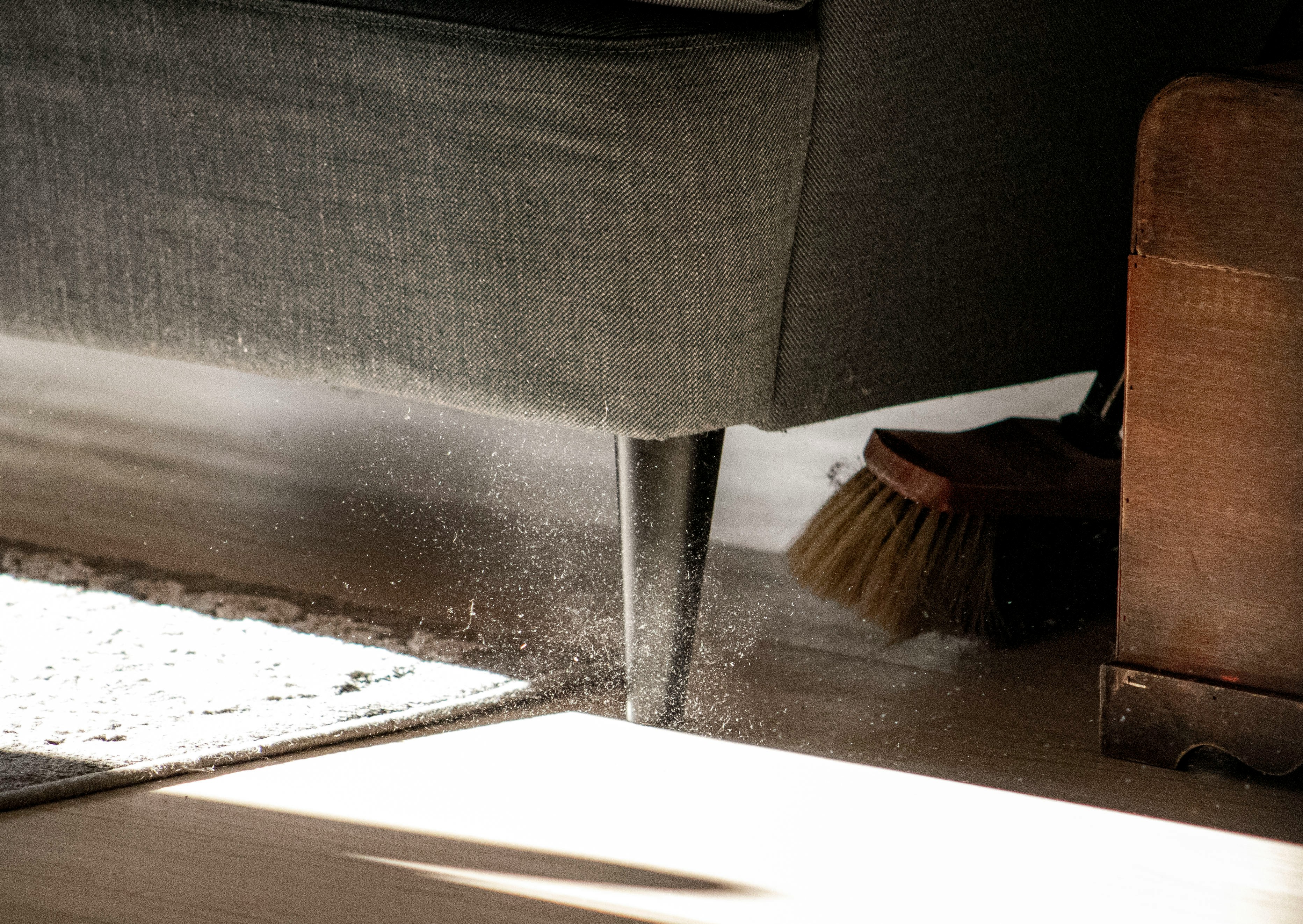
If your home seems dustier in winter no matter how often you clean, you’re not imagining it. Many homeowners notice that surfaces collect dust faster during colder months, even when windows stay closed and foot traffic hasn’t changed much. The truth is that winter creates the perfect environment for dust buildup. Dry indoor air, heating systems running constantly, and debris tracked in from outside all work together to accelerate the cycle of dust and clean routines.\
Understanding why winter dust behaves differently is the first step toward controlling it. Once you know what’s causing the buildup, you can adjust your dusting and cleaning habits to reduce it without feeling like you’re constantly chasing surfaces with a cloth.
Why Homes Get Dustier in Winter
Winter dust is driven by a combination of environmental changes inside and outside your home. The most significant factor is indoor air dryness. When temperatures drop, heating systems run more frequently, and heated air naturally holds less moisture. This dry air allows dust particles to stay airborne longer instead of settling quickly, which means they circulate through rooms repeatedly before landing on surfaces.
Your heating system itself also contributes to the problem. HVAC airflow moves dust through vents, ducts, and filters, redistributing particles throughout the home. Even a well-maintained system can stir up settled debris each time it cycles on. Over time, this constant circulation makes dust cleaning feel never-ending.
Outdoor conditions also play a role. Winter boots track in salt, sand, soil, and microscopic debris from sidewalks and roads. These particles dry quickly indoors and break down into fine dust that spreads easily. Because windows remain closed during winter, fresh air exchange is limited, allowing indoor dust levels to build more quickly than in warmer seasons
How Winter Dust Affects Indoor Air Quality
Dust doesn’t just sit quietly on shelves. It circulates through the air you breathe. Household dust is a mixture of fibers, skin cells, outdoor particles, and sometimes allergens like pollen or pet dander. When heating systems push these particles around, indoor air quality can decline without obvious warning signs.
Many people notice subtle symptoms first. Dry throat, irritated sinuses, increased allergy discomfort, and more frequent sneezing often appear during winter months. Dust accumulation can also make rooms feel stuffy or stale even when they look clean. When dust cleaning becomes inconsistent, those particles continue cycling through the air, settling and rising again with movement or airflow.
Maintaining a regular dust and clean routine helps limit how much particulate matter circulates indoors. Even small improvements in dust control can noticeably improve how fresh and breathable your home feels.
The Hidden Cycle of Dust and Cleaning in Winter
One of the most frustrating parts of winter cleaning is how quickly dust seems to return after you remove it. This happens because winter dust isn’t just settling — it’s constantly being reintroduced into the air.
Every time warm air moves through vents, particles lift and circulate. Walking across carpets or upholstery releases trapped debris. Even simple activities like adjusting blankets or opening doors shift air currents that move dust around. If humidity is low, particles stay suspended longer, increasing how much eventually settles across surfaces.
Breaking this cycle requires more than wiping visible dust. It means addressing airflow, humidity, and surface accumulation together, so dust cleaning becomes preventative rather than reactive.
Practical Dust Cleaning Tips That Actually Work in Winter
Effective winter dust control doesn’t require constant deep cleaning. Instead, small strategic adjustments make the biggest difference.
First, managing indoor humidity helps dust settle more quickly and reduces airborne circulation. Maintaining moderate humidity makes particles heavier so they don’t remain suspended as long. Many homeowners notice immediate improvement when indoor air is less dry.
Second, airflow control matters. Regularly replacing furnace filters reduces how much dust circulates through the home. Clean filters capture more particles before they spread into living areas. Keeping vents clear and unobstructed also helps your system function efficiently without redistributing debris unnecessarily.
Surface care is equally important. Consistent dusting and cleaning using microfiber cloths or electrostatic tools captures particles instead of pushing them around. Gentle, regular removal prevents buildup layers that break apart and spread again later.
Floor care also plays a major role. Winter grit settles quickly into carpets and entryways, where it breaks down into fine dust. Frequent vacuuming — especially near entrances — removes debris before it spreads through the home.
How to Create a Simple Winter Dust Routine
The most effective winter cleaning approach focuses on maintenance rather than intensity. A manageable routine keeps dust levels stable without requiring constant effort.
Light dusting of high-touch surfaces every few days prevents visible buildup. Weekly vacuuming of high-traffic areas removes tracked-in debris before it disperses. Regular inspection of heating filters and vents ensures your system isn’t circulating unnecessary particles. Periodically cleaning overlooked areas such as baseboards, ceiling fans, and window frames reduces long-term accumulation.
This type of rhythm keeps dust levels predictable, making cleaning faster and less overwhelming over time.
When Dust Cleaning Isn’t Enough
Even with consistent care, winter dust can still accumulate in hidden or difficult-to-reach areas. Air vents, upholstery, under furniture, and high ledges often collect layers that routine cleaning misses. When buildup reaches this stage, dusting and cleaning may no longer produce noticeable improvement.
That’s when a deeper reset becomes valuable. Thorough cleaning of neglected areas removes embedded particles and restores baseline cleanliness. Once the environment is reset, regular maintenance becomes far more effective and manageable.
If dust buildup is getting ahead of you, a professional reset clean can help you catch up fast.
Long-Term Winter Dust Prevention
Preventing winter dust is easier than constantly removing it. Reducing how much enters the home makes ongoing dust cleaning simpler. Entryway management is one of the most effective strategies. Removing shoes at the door and keeping mats clean significantly reduces outdoor debris indoors.
Soft surfaces also influence dust levels. Upholstery, curtains, and rugs trap particles and release them gradually. Periodic cleaning of these materials helps limit how much dust recirculates.
Air movement patterns matter as well. Balanced airflow, clean filters, and moderate humidity create an environment where dust settles predictably and can be removed efficiently.
Take Control of Winter Dust Before It Takes Over
Winter dust is persistent, but it’s also predictable. Once you understand how dry air, heating systems, and tracked-in debris work together, controlling dust becomes much easier. With a simple maintenance routine and occasional deeper cleaning when needed, you can keep your home feeling fresher all season long.
If you would like help restoring your home’s cleanliness or getting ahead of winter buildup, Dust Queen is here to help.
A cleaner home starts with understanding the cause — and taking small, consistent steps to stay ahead of it.
Frequently Asked Questions About Winter Dust Cleaning
Why does my house get dustier when windows are closed?
Closed windows reduce ventilation. Without fresh air exchange, dust remains trapped indoors and continues circulating.
Does heating make dust worse?
Yes. Heating systems circulate air that lifts and redistributes dust throughout the home.
Is vacuuming enough to control winter dust?
Vacuuming helps, but effective dust control also requires surface cleaning, airflow management, and humidity balance.
When should I consider professional dust cleaning?
If dust returns quickly after cleaning or accumulates in hidden areas, a professional reset can restore cleaner conditions.